-
Cruises
All Cruises
Cruise deals
From Australia
International
Don't Miss OutHot Offers
The best-selling holidays right now, at prices that won't last.
Browse Hot Offers -
Tours
All Tours
By region
Curated lists
Travel With CompanySocial Getaways
Small-group trips designed for over 60s who love good company on the road — new friends, shared adventures, no single supplements.
Browse Over-60 Getaways -
Destinations
All Destinations
Australia & Pacific
America
Not Sure Where to Start?Book a Call
Speak with one of our friendly travel specialists — no pressure, just honest advice to help you find the right holiday.
Browse Request a call with a travel expert - Social Getaways
- Solo Holidays
- Hot Offers
- Wishlist 0
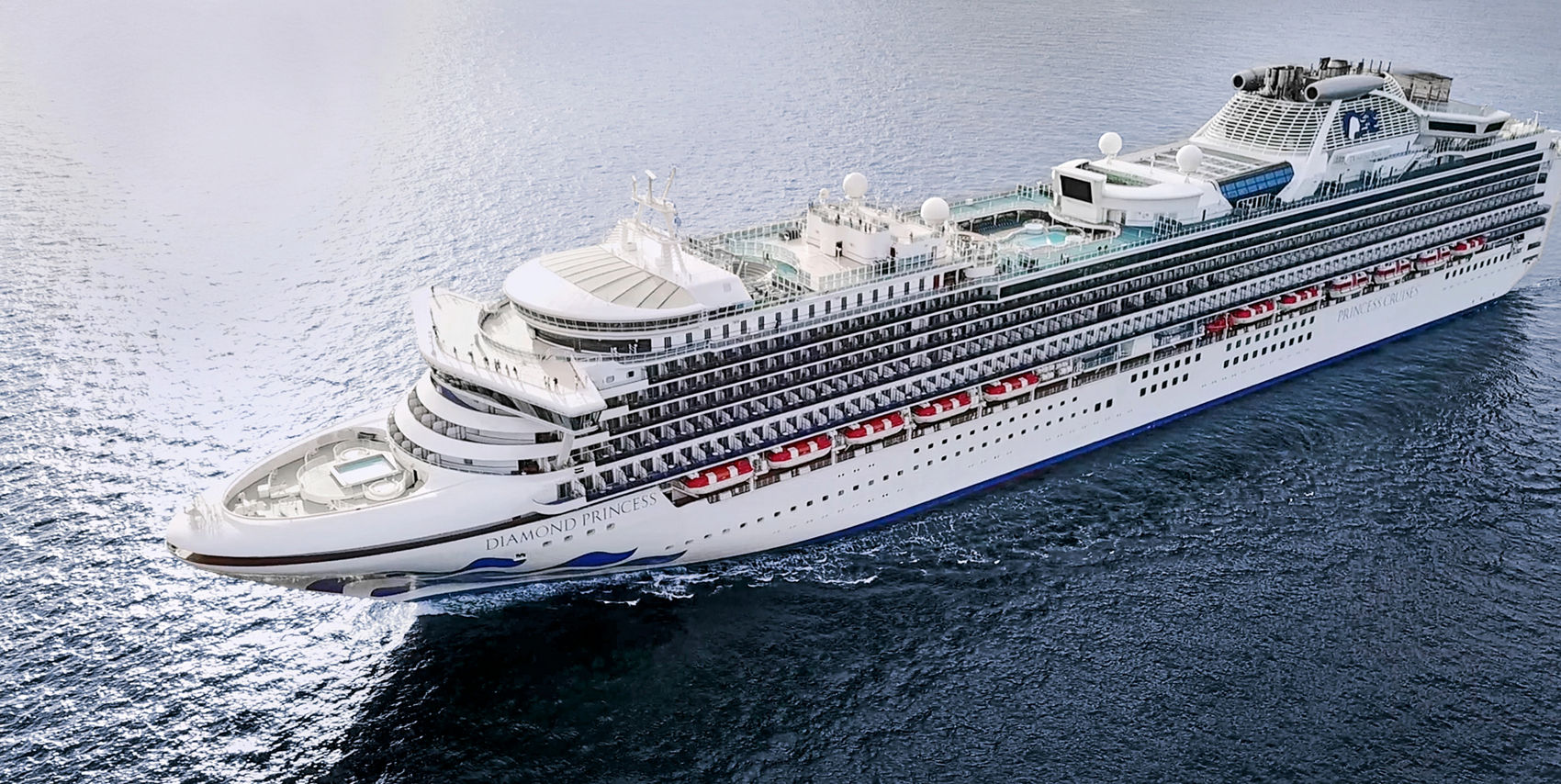
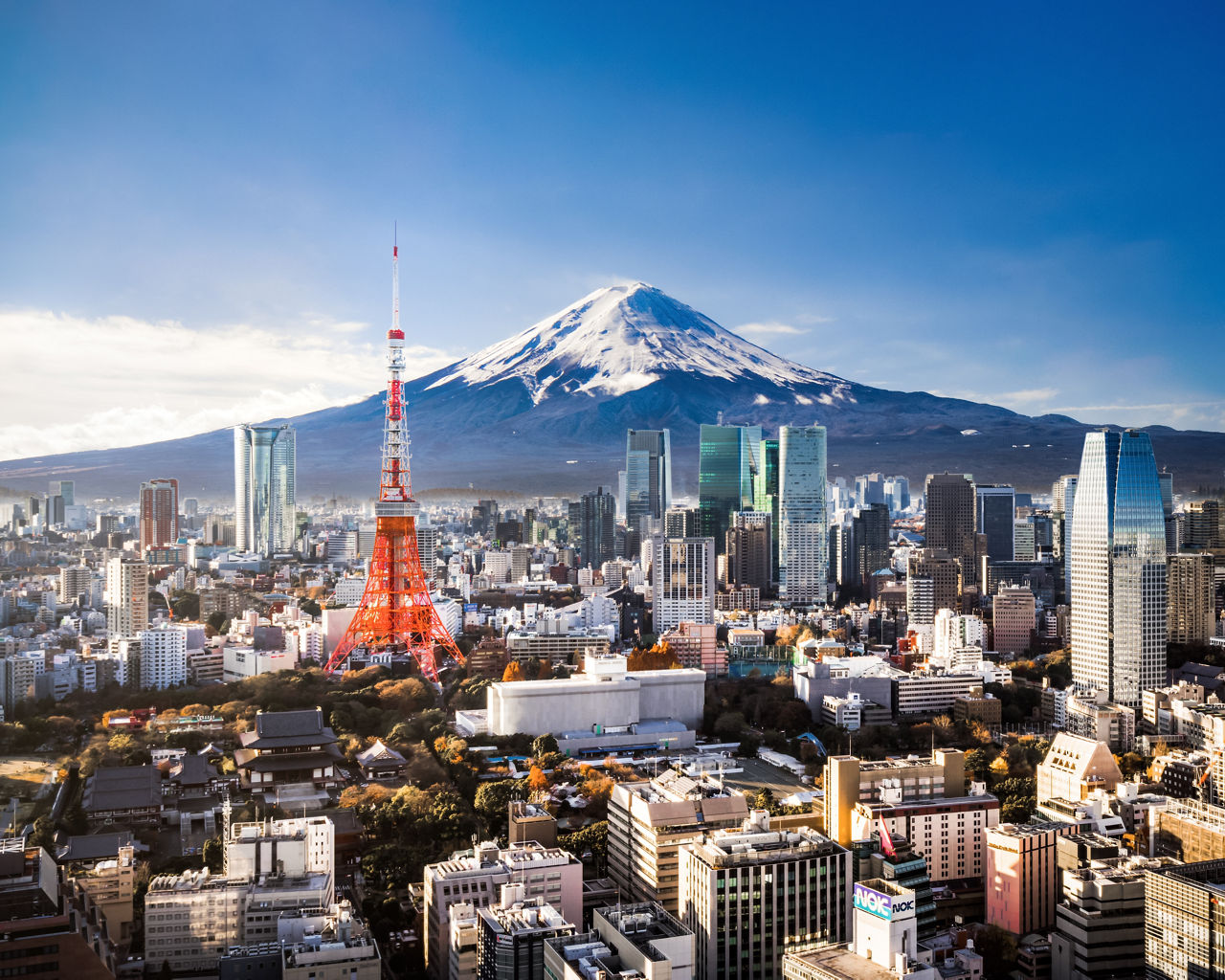
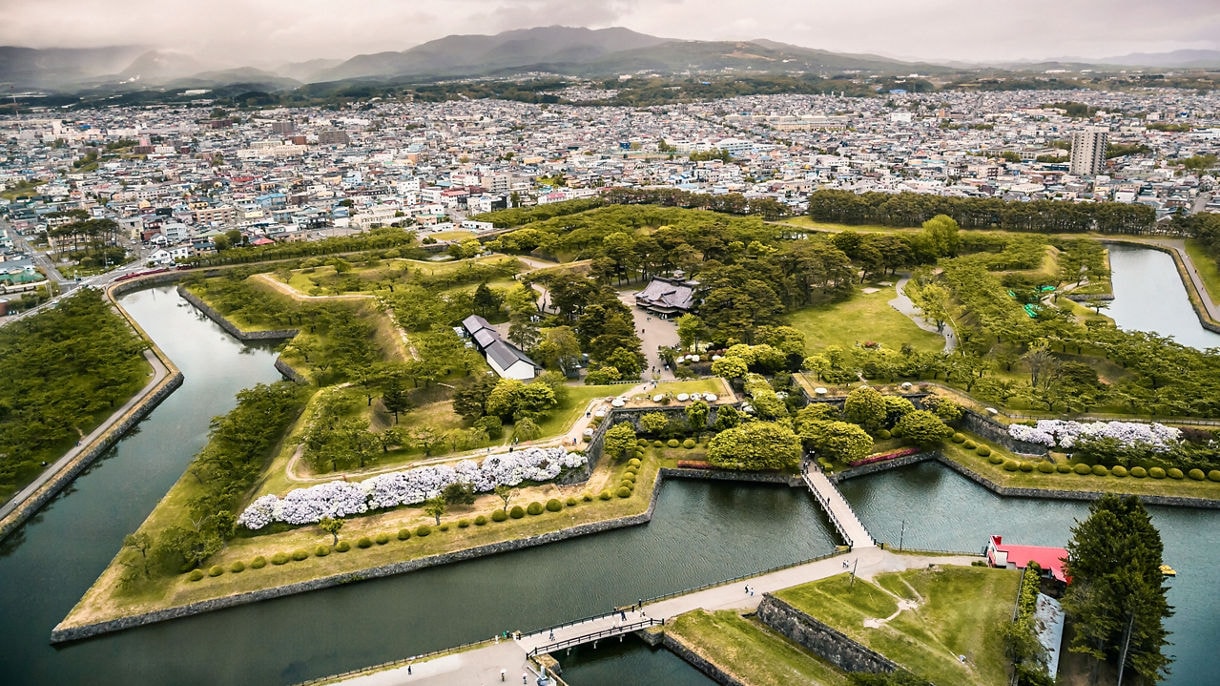
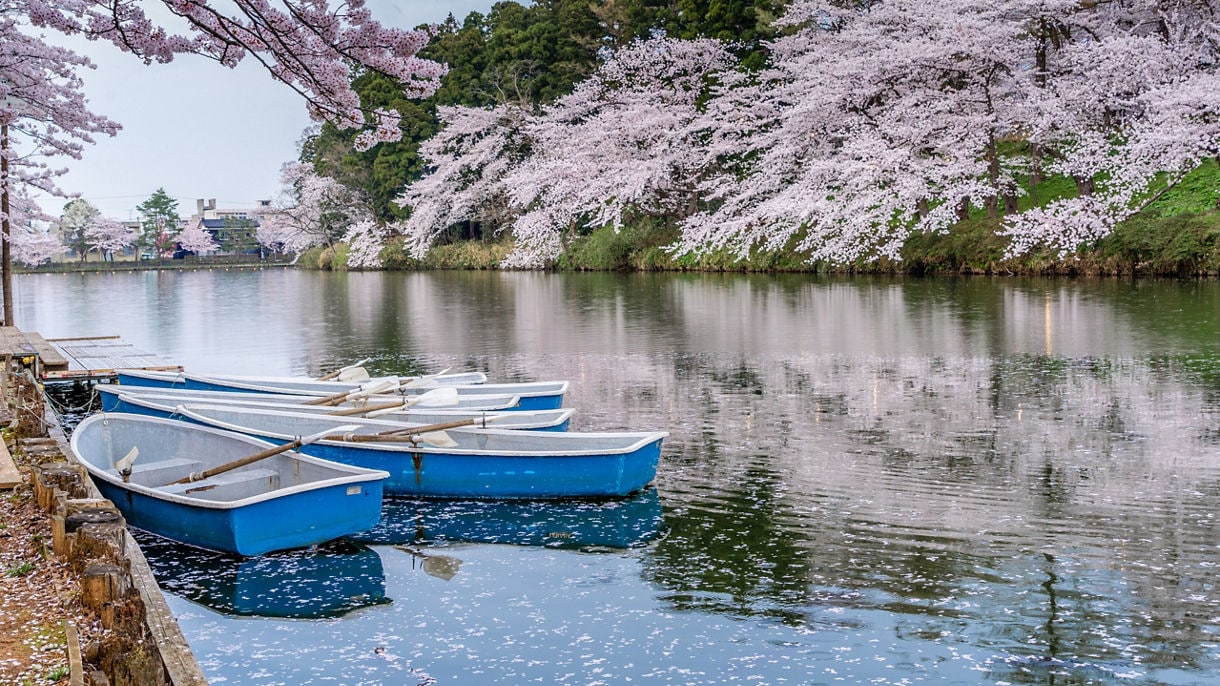


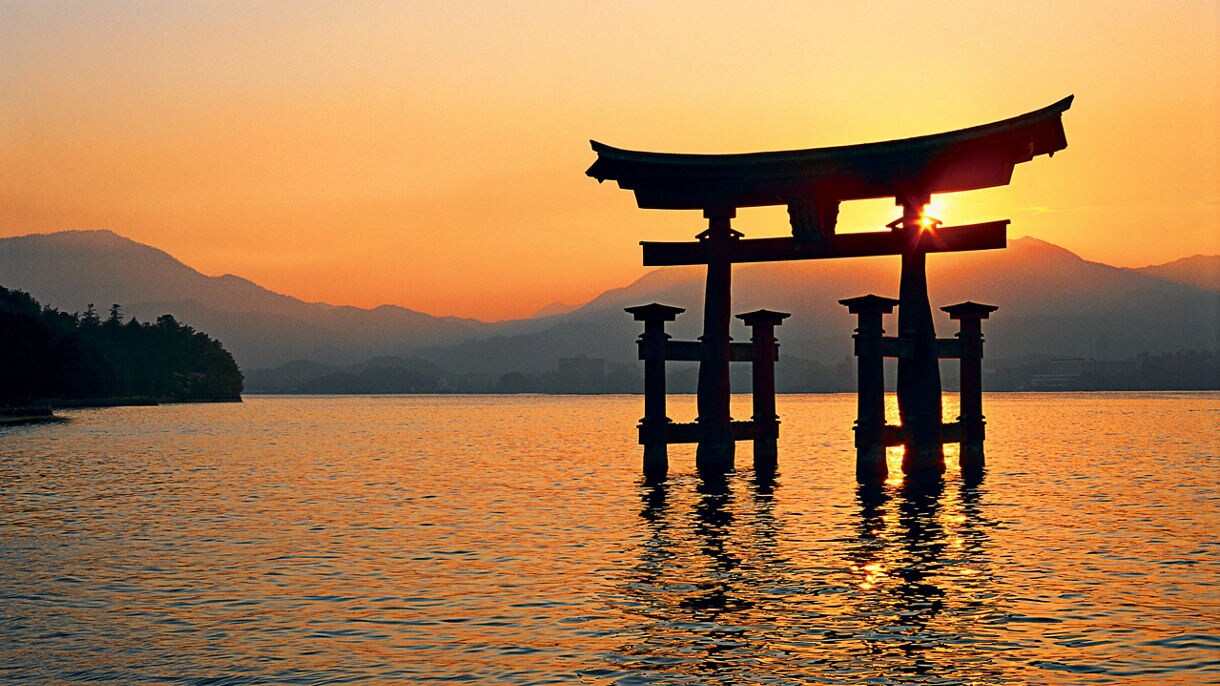
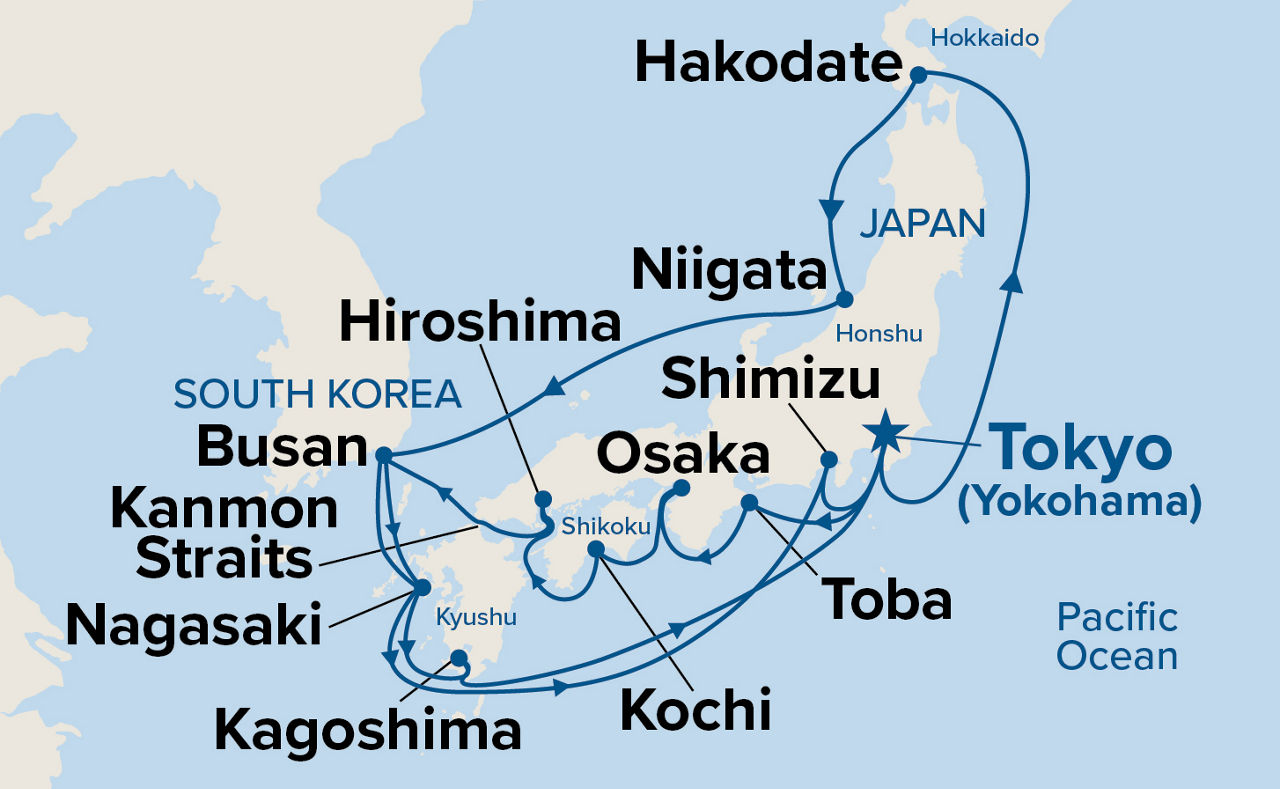
Immerse yourself in Japan's ancient traditions and modern wonders on this 19-night cruise from Tokyo, exploring historic ports and experiencing the MedallionClass® experience
- Discover Tokyo's paradoxical mix of ancient and modern
- Explore the historic port city of Hakodate and its bustling seafood market
- Experience the gourmet delights and craftsmanship of Niigata
Trip Details
- Departs
- 2 July 2027
- Returns
- 21 July 2027
- Embarks
- Operator
- Princess Cruises
19-night cruise from Tokyo (Yokohama), Japan to Tokyo (Yokohama), Japan aboard Diamond Princess
Departures & Pricing
- 02 Jul 2027 - 21 Jul 2027
from $3,959.60 pp twin share *
Additional Pricing Information
- Interior from $3,959.60 pp twin share
- Balcony from $6,579.60 pp twin share
- Mini-Suite from $8,949.60 pp twin share
- Suite from $16,282.60 pp twin share
* Prices and category availability are subject to change without notice.
Cabin grades, balcony upgrades and pre-cruise hotel options are quoted on enquiry — call 1300 414 198.
Itinerary
- 1
Tokyo (Yokohama), Japan
Departs 03:00 pm.
Yokohama and Edo began life as sleepy fishing villages. That changed in the early 17th century after Tokugawa Ieyasu became Shogun. Edo became the center of political power in Japan, a position the city retained even after the restoration of Imperial rule in 1866.Contemporary Tokyo may be the most astonishing city on earth. It's a paradoxical mix of ancient tradition and postmodern culture. The Ginza - an international shopping mecca - stands near the serene grounds of the Imperial Palace, and the hyper-speed of 21st century consumerism is mysteriously reconciled with the elegance and serenity of traditional culture. Tokyo provides the traveler with a dizzying experience.With the Meiji Restoration of 1868, Edo was renamed Tokyo, the "Eastern Capital," to distinguish it from the old imperial capital at Kyoto, the "Western Capital."
- 2
At Sea
- 3
Hakodate, Japan
Arrives 07:00 am, departs 05:00 pm.
It took Commodore Perry and American gunboat diplomacy to open Japan to the outside world after two centuries of self-imposed isolation. In 1859, the port of Hakodate became the first Japanese city fully opened to Westerners under the Treaty of Amity and Commerce. Foreigners soon flocked to Hakodate, and today visitors wandering the cobblestone streets of the city's Motomachi District can view their Western-style frame houses. Hakodate, once a fishing port famed for its high quality fish and shellfish, quickly became Hokkaido's largest city and one of Japan's most important ports. The Great Hakodate Fire of 1934 dealt the city a near fatal blow - a blow from which Hakodate was slow to recover. Today the city is Hokkaido's third largest - surpassed by Sapporo and Asahikawa - but retains its foremost position as the finest Japanese producer of sushi's raw product: the high quality seafood caught in Hokkaido's cold waters.It may not compare to Tokyo's Tsukiji's Fish Market, but at Hakodate's four-block-long Morning Market, vendors offer a stunning array of fresh fish and shellfish prized for sushi including salmon roe, sea urchin, scallops and crab. Restaurants and food stands prepare a wide arrange of dishes including domburi topped with fresh seafood.
- 4
Niigata, Japan
Arrives 09:00 am, departs 06:00 pm.
Traditionally famous for rice making and sake production, Niigata is the place for gourmet aficionados. It is also well known for the seafood caught from the Sea of Japan. With this variety of the commodity produced locally, Niigata developed from the wealth gained through shipping and trade by Kitamae-bune, which were cargo ships operated along the Sea of Japan between Hokkaido and Osaka from mid-18th century to the end of the 19th century. To the south of Niigata is the Tsubame-Sanjo area famous today for metalworking. This derives from the production of Japanese nails used for Japanese traditional architecture. To discover Japanese craftsmanship, you will have the chance to visit the Suwada Open Factory. Also nearby is the religious center of Niigata in Yahiko. The Yahiko Shrine has gathered the devotion of the locals for more than a millennium.
- 5
At Sea
- 6
Busan, South Korea
Arrives 07:00 am, departs 04:00 pm.
The second largest city in South Korea, Busan is your gateway to a fascinating land whose culture is a unique amalgam of old and new. Modern high-rise towers dwarf ancient Buddhist temples. The city's bustling business district offers a stark contrast to the serene grounds of Yongdusan Park. In short, Busan is a microcosm of South Korea, a nation whose startling economic success often obscures one of Asia's most sophisticated and venerable cultures.Busan was the scene of bitter fighting during the Korean War. The United Nations Memorial Cemetery marks the final resting place for the troops from 16 nations who gave their lives during the conflict.
- 7
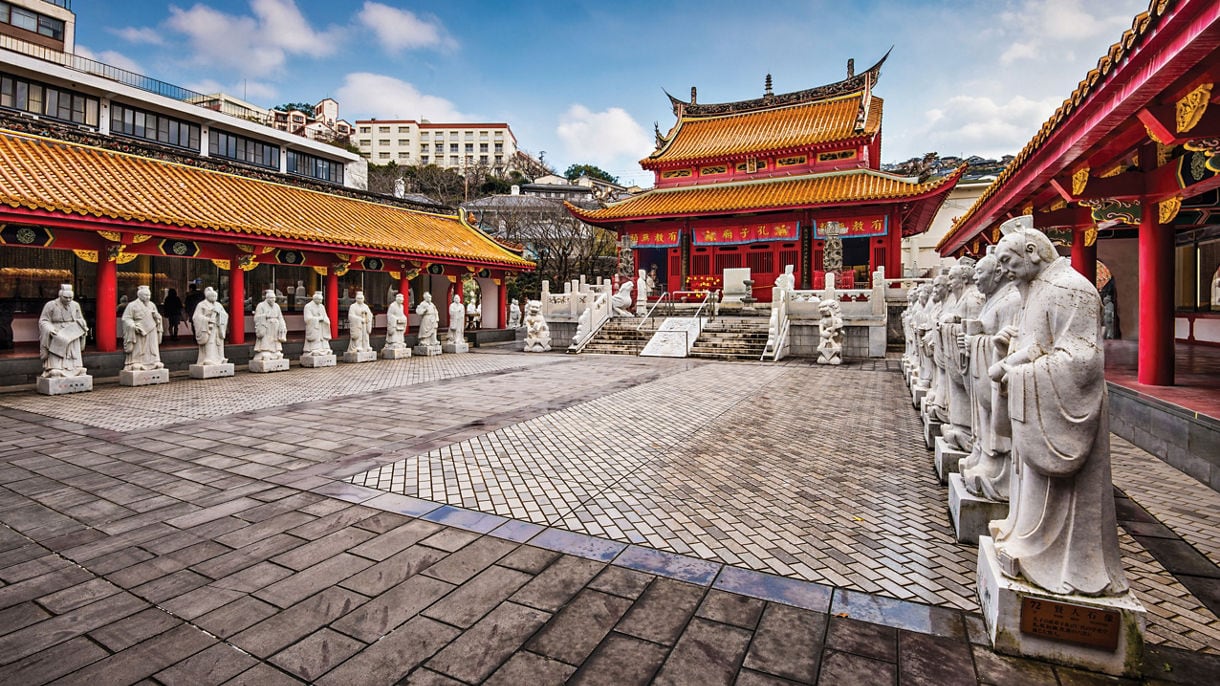
Nagasaki, Japan
Arrives 07:00 am, departs 04:00 pm.
For most travelers, Nagasaki is a symbol of the horror and the inhumanity of war. An estimated 75,000 people perished in 1945 when the city became the second target of a nuclear attack. Today, Nagasaki's Peace Park and Atomic Bomb Museum draw visitors from around the world.But this beautiful city on Kyushu offers other sights. Often described as the San Francisco of Japan, the city occupies verdant hills surrounded by a deep-water bay. For three centuries, Nagasaki was Japan's sole window on the world. The city is also celebrated as the setting for Puccini's opera "Madame Butterfly."
- 8
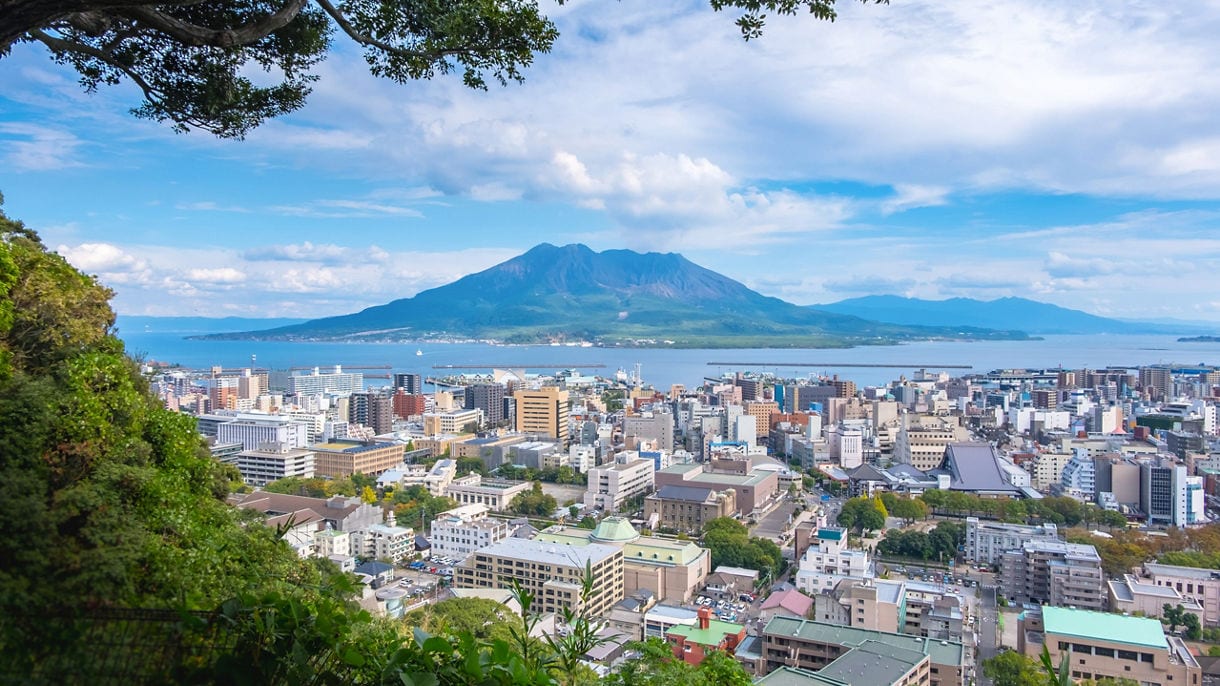
Kagoshima, Japan
Arrives 07:00 am, departs 04:00 pm.
From the 12th century to the Meiji Restoration of 1868, Kagoshima was the chief stronghold of the mighty Shimazu clan. The city lies at the top of the Satsuma Peninsula, a mountainous, geothermal wonderland of hot springs and geysers. The area is also rich in modern Japanese history: Saigo Takamori and the Satsuma samurai were leaders of the Meiji Restoration that toppled the shogun and restored the Emperor to power in 1868. In 1877, dissatisfied with the direction of the new government, Saigo led the Satsuma Rebellion, which ended in his death and the final defeat of the samurai.The symbol of Kagoshima is Sakura Jima - the volcanic island that sits just offshore. The volcano has erupted over 30 times in recorded history.
- 9
At Sea
- 10
Tokyo (Yokohama), Japan
Arrives 06:30 am, departs 03:00 pm.
Yokohama and Edo began life as sleepy fishing villages. That changed in the early 17th century after Tokugawa Ieyasu became Shogun. Edo became the center of political power in Japan, a position the city retained even after the restoration of Imperial rule in 1866.Contemporary Tokyo may be the most astonishing city on earth. It's a paradoxical mix of ancient tradition and postmodern culture. The Ginza - an international shopping mecca - stands near the serene grounds of the Imperial Palace, and the hyper-speed of 21st century consumerism is mysteriously reconciled with the elegance and serenity of traditional culture. Tokyo provides the traveler with a dizzying experience.With the Meiji Restoration of 1868, Edo was renamed Tokyo, the "Eastern Capital," to distinguish it from the old imperial capital at Kyoto, the "Western Capital."
- 11
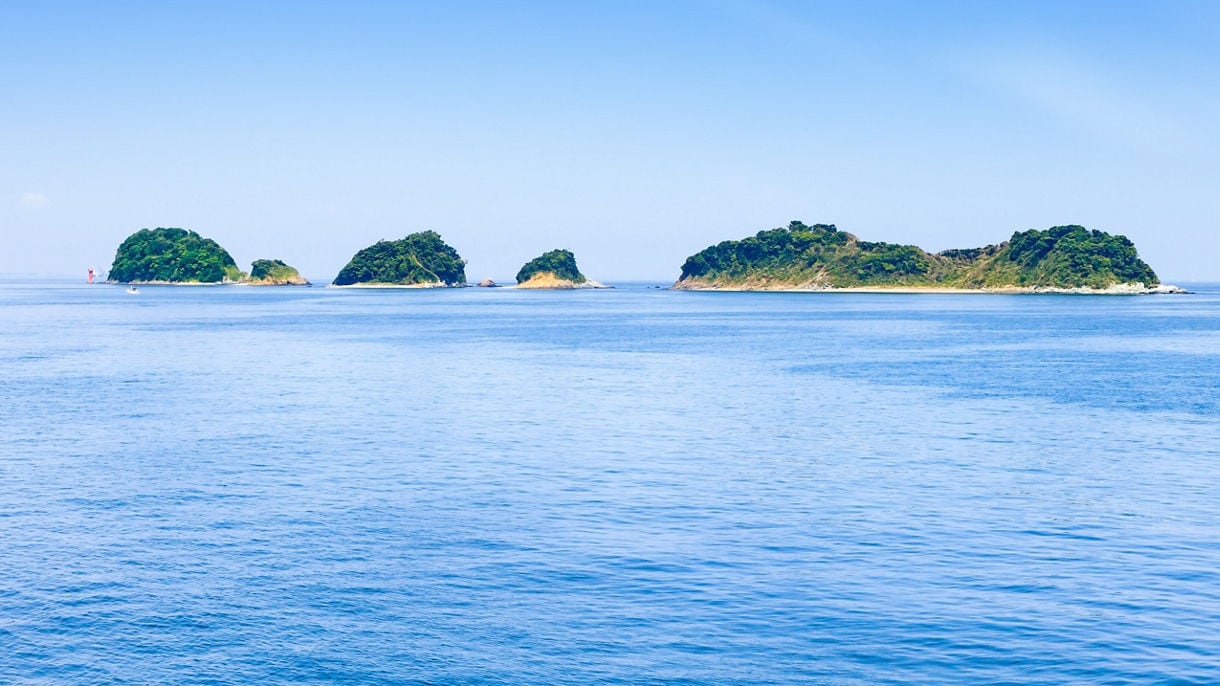
Toba, Japan
Arrives 07:00 am, departs 04:00 pm.
Toba, located at the northeastern end of the Shima-hanto Peninsula in Mie, flourished as the castle town of the Kuki family who ruled this region from the 16th century. It was also a landing spot for visitors on the sea route to Ise-jingu Shrine and belongs to Ise-Shima National Park.
- 12
Osaka (for Kyoto), Japan
Arrives 08:00 am, departs 08:00 pm.
For centuries, Osaka was Japan's cultural and commercial gateway to Asia - the point of entry both for trade goods and, most importantly, cultural influences that shaped Japanese society. From tea to Zen, from art to science and philosophy, Osaka was Japan's contact with the great East Asian cultures that flourished in China and Korea. The city reached its zenith in the late 16th century, when the great feudal lord Toyotomi Hideyoshi made Osaka his capital. Toyotomi was master of Japan, and an immense administrative and commercial center rapidly developed around Osaka Castle. After Toyotomi's death, the nation's seat of power shifted from Osaka to a sleepy little fishing village called Edo - modern Tokyo. While overshadowed by Tokyo, Osaka remains Japan's second largest city and a vital commercial center.Modern Osaka is home to monuments from Japan's past including Toyotomi's immense castle and the Sumiyoshi Shrine. The city is also your gateway to Kyoto, Japan's ancient imperial capital and the nation's cultural and spiritual center.
- 13
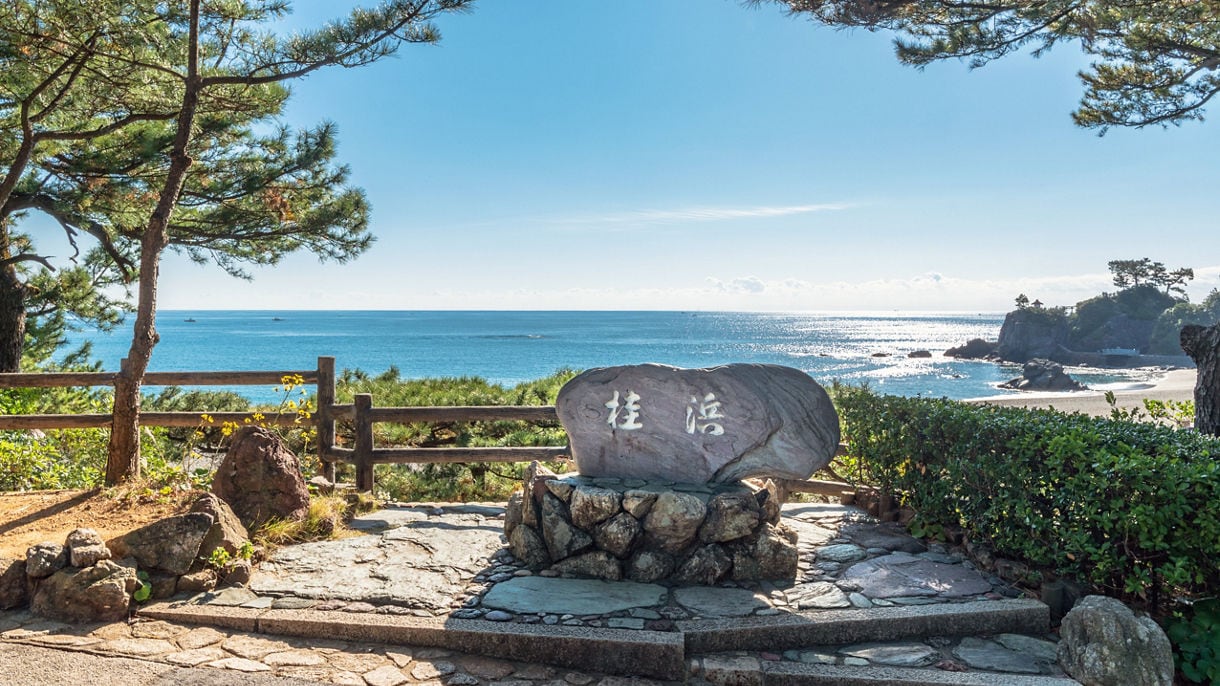
Kochi, Japan
Arrives 07:00 am, departs 03:00 pm.
Kochi sits on the broad alluvial plain facing Urado Bay. This city in Shikoku takes its name from the great feudal castle that sits at its very heart. Completed in 1611, Kochi Castle was the seat of Yamauchi Kazutoyo, a noted warrior who supported Tokugawa Ieyasu in his successful quest to become Shogun. Tosa Province and Kochi Castle were Yamauchi's reward for faithful service. There is an historical irony here: 250 years later, a Kochi native son - a former low-ranked samurai and now ronin named Sakamoto Ryoma - played a pivotal role in bringing the Tokugawa Shogunate to an end and restoring the Emperor of Japan to political prominence. The prize once awarded for faithful service had become a hotbed of support for the Meiji Restoration.Kochi is one of the wettest places in Japan - and a frequent target for cyclonic storms or typhoons. Southeast of the city, warm oceans currents washing against the Aki Mountains create a subtropical landscape of hibiscus, palm and ficus at Muroto-Anan Quasi-National Park.
- 14
Hiroshima, Japan
Arrives 09:00 am, departs 09:00 pm.
On August 6, 1945, human history was irrevocably altered when the American bomber Enola Gay dropped an atomic bomb on Hiroshima. The bomb was code-named "Little Boy," but its detonation left half the city in ruins and aflame. Today, Hiroshima is a monument not only to the destructive forces harnessed by men but also to the indomitable will of the human spirit to overcome tragedy. At the heart of the city lies Peace Memorial Park and the Atomic Bomb Dome. The gutted walls of the city's old Industry Promotion Hall and the skeletal frame that supported its copper dome, vaporized in the blast, are instantly recognizable symbols of Hiroshima.Travelers to Hiroshima will discover a more serene note at nearby Miyajima Island. One of the top-three scenic spots of Japan, the island is home to ancient Itsukushima Shrine, a designated National Treasure.
Day 15
Arrives 08:00 am, departs 10:00 am.
- 16
Busan, South Korea
Arrives 07:00 am, departs 04:00 pm.
The second largest city in South Korea, Busan is your gateway to a fascinating land whose culture is a unique amalgam of old and new. Modern high-rise towers dwarf ancient Buddhist temples. The city's bustling business district offers a stark contrast to the serene grounds of Yongdusan Park. In short, Busan is a microcosm of South Korea, a nation whose startling economic success often obscures one of Asia's most sophisticated and venerable cultures.Busan was the scene of bitter fighting during the Korean War. The United Nations Memorial Cemetery marks the final resting place for the troops from 16 nations who gave their lives during the conflict.
- 17
Nagasaki, Japan
Arrives 07:00 am, departs 04:00 pm.
For most travelers, Nagasaki is a symbol of the horror and the inhumanity of war. An estimated 75,000 people perished in 1945 when the city became the second target of a nuclear attack. Today, Nagasaki's Peace Park and Atomic Bomb Museum draw visitors from around the world.But this beautiful city on Kyushu offers other sights. Often described as the San Francisco of Japan, the city occupies verdant hills surrounded by a deep-water bay. For three centuries, Nagasaki was Japan's sole window on the world. The city is also celebrated as the setting for Puccini's opera "Madame Butterfly."
- 18
At Sea
Day 19
Arrives 10:00 am, departs 06:00 pm.
- 20
Tokyo (Yokohama), Japan
Arrives 06:30 am.
Yokohama and Edo began life as sleepy fishing villages. That changed in the early 17th century after Tokugawa Ieyasu became Shogun. Edo became the center of political power in Japan, a position the city retained even after the restoration of Imperial rule in 1866.Contemporary Tokyo may be the most astonishing city on earth. It's a paradoxical mix of ancient tradition and postmodern culture. The Ginza - an international shopping mecca - stands near the serene grounds of the Imperial Palace, and the hyper-speed of 21st century consumerism is mysteriously reconciled with the elegance and serenity of traditional culture. Tokyo provides the traveler with a dizzying experience.With the Meiji Restoration of 1868, Edo was renamed Tokyo, the "Eastern Capital," to distinguish it from the old imperial capital at Kyoto, the "Western Capital."
Inclusions & exclusions
What’s included
- MedallionClass® experience
- Broadway-style entertainment
- Multicourse dining and casual venues
- Fitness facilities
- Youth and teen clubs (ages 3–17)
Common questions about this voyage
How long is this journey?
When can I travel?
What is generally included?
Book this cruise
Send us an enquiry and a consultant will be in touch, or call 1300 414 198 for personal help choosing a departure.
You might also like
Grand Circle Japan
- MedallionClass® experience with Broadway-style entertainment
- Multicourse dining and casual venues across the ship
- Access to fitness facilities, youth and teen clubs
Grand Circle Japan
- MedallionClass experience with Broadway-style entertainment
- Multicourse dining and casual venues for every taste
- Fitness facilities and youth/teen clubs for all ages
Grand Circle Japan
- Cruise the stunning Japanese coastline and beyond on the Diamond Princess
- Enjoy Broadway-style entertainment and multicourse dining onboard
- Access the MedallionClass experience for a seamless and personalized journey